
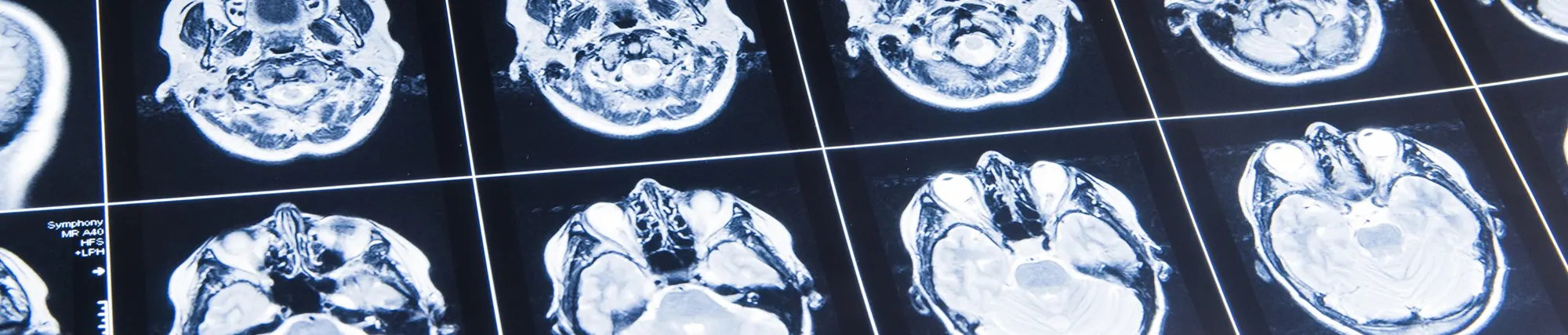
Traumatic Brain Injury
A traumatic brain injury, or TBI, is, quite literally, a jarring experience. A TBI can occur whenever you suffer a severe blow to the head, which can, in turn, damage the brain. TBIs are disturbingly common: Each year, nearly two million Americans suffer from some form of severe head injury. More than 50,000 people die nationwide from TBI, and thousands more suffer long-term disability as a result of brain injury. If you or a loved one has suffered a TBI as a result of someone else’s negligent action, you deserve compensation for your injury. Levinson Law, P.C., is here to help.
The dedicated and effective lawyers at Levinson Law, P.C., have decades of experience recovering millions of dollars in damages for personal injury clients across Tulsa and Northeastern Oklahoma. We care about the people in our community, and we will fight to ensure that injury victims get the recovery they deserve. Let us shoulder the legal burden so that you can focus on your recovery, your family, and getting your life back on track.
Causes of TBI
Traumatic brain injuries can result from all sorts of accidents. According to the U.S. Centers for Disease Control (CDC), a TBI is “caused by a bump, blow, or jolt to the head or a penetrating head injury that disrupts the normal function of the brain.” Any incident that leads to sudden and extreme head trauma is liable to cause TBI, even when the collision does not appear very severe. Even mild TBIs can cause a concussion. More severe TBI can lead to loss of consciousness, permanent brain damage, loss of memory, coma, and a variety of other serious issues.
At Levinson Law, P.C., our Tulsa traumatic brain injury lawyers represent victims who were injured in a variety of accidents, including the following:
- Slip and falls
- Workplace injuries
- Auto accidents
- Truck accidents
- Motorcycle accidents
- Pedestrian accidents
- Bicycle accidents
- Defective products
- Intentional acts such as criminal violence
- Shaken baby syndrome
- Being struck by a swinging, flying, or falling object
- Sports injuries
If You Experience Head Trauma, Act Fast
Even though brain injuries can be extremely serious, they are often hard to identify at first. A sudden bout of dizziness or vertigo can be explained away, or a loss of consciousness at the point of impact forgotten and ignored. Some symptoms may take a few days to manifest. However, if you experience head trauma, it is vital that you see a doctor as soon as possible for testing and diagnosis.
Head trauma can cause potential injuries such as brain bruising or bleeds, the symptoms of which might not appear for several days. Symptoms may seem minor and fleeting. These latent injuries can quickly become much worse if left untreated or ignored.
Moreover, if you delay in seeing a doctor, then a negligent defendant or stingy insurance provider might use the delay against you and reject a claim or reduce the amount owed. They might claim that the delay proves there was no harm at the time of the accident or that the identified injury resulted from other events after the accident at hand. Don’t give defense attorneys and insurance companies any ammunition with which to fight against your proper injury claims. See a doctor, and speak with a dedicated Tulsa traumatic brain injury attorney.
Delayed Concussion Symptoms
The brain is cushioned inside the skull by cerebrospinal fluid, but that protection can be overwhelmed by a hard blow to the head, by the rapid acceleration and deceleration of a crash, or by the pressure wave of an explosion. Damaged blood vessels can starve brain cells of oxygen, and swelling can put further pressure on injured tissue. Because this damage can take time to develop, some concussion symptoms only appear hours or even days after the accident. Delayed symptoms fall into three groups:
- Cognitive: disorientation, difficulty concentrating and memory loss.
- Physical: sensitivity to light and sound, nausea, vomiting, fatigue, loss of dexterity, and headaches or a feeling of pressure in the head.
- Emotional: irritability, depression, anxiety, sleep problems and emotional outbursts.
If you notice any of these after an accident, see a doctor even if you felt fine at the scene.
Brain Injuries in Truck Accidents
A loaded commercial truck can weigh up to 80,000 pounds, compared with about 4,000 pounds for a typical car, so the occupants of the smaller vehicle often suffer head trauma when the head snaps back and forth or strikes the steering wheel, dashboard or window. Common truck accident brain injuries include:
- Concussions, when a violent jolt stretches and bruises nerves and blood vessels in the brain;
- Diffuse axonal injuries, when nerve fibers tear as the brain shifts and rotates inside the skull;
- Skull fractures and penetrating injuries, when the skull breaks or an object pierces it; and
- Cerebral lacerations, when brain tissue is torn by a fragment of bone or a foreign object.
If someone else caused the crash, compensation can cover emergency transport and care, diagnostic tests, surgery, medication, therapy and rehabilitation, along with lost income and pain and suffering. Read more in our Oklahoma truck accident guide.
Call for Help After Your Traumatic Brain Injury
If you or a loved one has suffered a traumatic brain injury in Tulsa or throughout Northeastern Oklahoma, call Levinson Law, P.C., today to set up a free, no-obligation consultation. We are here to help you after someone’s negligence, recklessness, or deliberate maliciousness has caused you and your family serious injury. Our lawyers can travel to your location if you are unable to make it to our offices. We are here to help you fight for the recovery you are owed, whatever it takes. Hablamos español.