
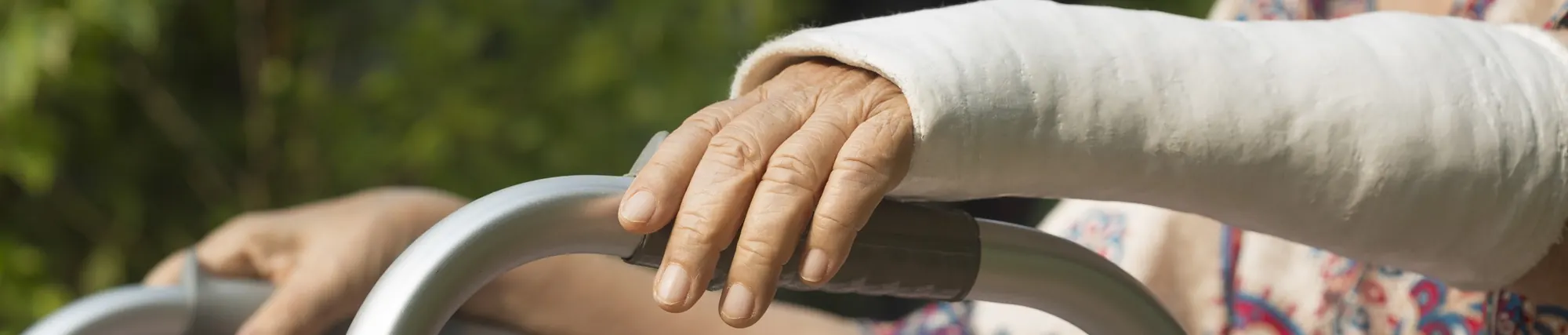
Elderly Broken Bones
Experienced Legal Help for Tulsa Nursing Home Residents With Preventable Fractures
As inconceivable as it may be, abuse in nursing homes is all-too-common. Some nursing home staff members are simply malicious and sadistic, while others may lose their tempers and take it out on an elderly resident. Nursing home staff may also fail in their basic duty to monitor patients, allowing them to come to physical harm via a preventable accident or an assault by another resident.
If your loved one resides in a nursing home and has unexplained broken bones, it may be a sign of nursing home abuse or neglect. Levinson Law, P.C., has years of experience helping nursing home residents and their families recover damages after abuse or neglect leads to broken bones or other harm. We are here to help you ensure that your loved ones are safe and secure and to seek the compensation your family is owed if negligent or abusive conduct by a nursing home leads to injury.
How do Broken Bones Happen in a Nursing Home?
Residents who rely on home health aides or reside in nursing homes, assisted living facilities, rehabilitation facilities, or other long-term care facilities are often more susceptible to injury than the average person. Residents are often elderly or disabled. They require additional care and attention in order to avoid injury. If they have an accident, such as a fall, a serious bone fracture is likely to occur. Moreover, if they are subjected to any form of physical abuse, the damage is likely to be severe.
Fractures in nursing homes can result from a variety of causes, including the following:
- Physical abuse by nursing home staff, other residents, or strangers off the street
- Improper lifting or moving a resident from a couch, bed, or wheelchair
- Failure to properly secure a resident in their wheelchair
- Slips, trips and falls due to unsafe flooring, wet surfaces, or staircase accidents
- Falling objects such as heavy clutter left unsecured in a resident’s room or on a shelf
- Giving residents inappropriate or slippery footwear
Do Not Let Nursing Homes Sweep an Injury Under the Rug
If you notice that your family member residing in a nursing home has unexplained fractures, it is important to ask the right questions. Do not let a facility brush aside your concerns by claiming that the resident has “brittle bones” or “osteoporosis,” or that they are so weak that the bones broke themselves. These are simply unacceptable answers and serve only to protect nursing homes from liability.
Rehabilitation facility staff, caregivers, nursing home staff, and other employees at long-term care facilities are well aware that their charges require additional care in order to avoid injury. They have a contractual, legal, and moral duty to keep residents safe. If they fail to do so, and your loved one suffers a broken bone as a result, the Tulsa nursing home fracture lawyers at Levinson Law, P.C., are ready to help you and your family seek compensation.
Hip Fractures in Nursing Homes
Broken hips are among the most serious injuries a nursing home resident can suffer. The Centers for Disease Control and Prevention reports that more than 300,000 older adults are hospitalized for hip fractures each year, and more than 95 percent of hip fractures are caused by falling, usually sideways.
Residents are at higher risk when they have lower-body weakness, balance problems, bone loss, vitamin D deficiency, poor vision or poor nutrition, or take medications such as sedatives, tranquilizers and antidepressants. Because these risks are well known, nursing homes are expected to:
- Review residents’ medications for side effects and interactions that affect balance;
- Install grab bars, railings and other fall prevention equipment;
- Supervise fall-prone residents when they stand, sit or walk;
- Provide walkers and other assistive devices; and
- Make sure residents are well fed and hydrated.
A broken hip usually means surgery and a long recovery. It can lead to lasting pain, loss of mobility, blood clots, pneumonia and depression, and residents who break a hip are more likely to fall again. When a facility failed to take these basic precautions, it can be held responsible. Learn more about nursing home falls.
Why Broken Bones Matter So Much for Older Residents
Older adults often have osteoporosis or weakened bones, so a fracture can occur from a fall, a twisting motion or even rough handling during a transfer. Hip, wrist, arm, rib, pelvis and spine fractures are common. A fracture can lead to surgery, long hospital stays, loss of independence, pneumonia, blood clots, infections and a decline in overall health. Because the consequences can be so serious, an unexplained fracture is a reason to ask questions.
How Fractures Can Happen in a Nursing Home
- Falls from beds, chairs, wheelchairs, toilets or while walking without help
- Improper transfers or lifting, including using too few staff or the wrong technique or equipment
- Rough handling or physical abuse
- Bed rail or wheelchair accidents where limbs or the body get caught
- Failure to follow fall precautions already in the care plan
- Hazards in the environment, such as wet floors and clutter
Signs That a Fracture May Have Been Missed or Unexplained
Watch for sudden pain, swelling, bruising, deformity, a leg that looks shorter or turned outward, refusal to bear weight, a resident who cries out when moved or withdraws from touch, and an explanation from staff that does not match the injury. A delay in imaging or hospital transfer can make a fracture worse. Fractures that appear without a clear, documented cause, especially in residents who cannot speak for themselves, deserve prompt follow-up and may be reported to the agencies listed below.
What Nursing Homes Are Expected to Do
Federal regulations (42 C.F.R. § 483.25(d)) require facilities to keep the environment as free of accident hazards as possible and to provide adequate supervision and assistance devices to prevent accidents. Residents also have the right to be free from abuse and neglect (42 C.F.R. § 483.12). Staff are expected to assess residents at risk of falls, use safe transfer techniques, respond promptly to any injury, notify the physician and family, and investigate injuries of unknown origin. Facilities must report allegations of abuse and injuries of unknown source to the proper authorities.
After an Injury: What Should Happen
Staff should stop and assess the resident, avoid moving them in a way that could worsen an injury, call the nurse and physician, and arrange imaging or hospital transport when a fracture is suspected. The incident should be documented, the care plan updated, and the family notified. When these steps are skipped or delayed, the resident can suffer unnecessary pain and complications.
Evidence in a Broken Bone Case
Helpful records can include fall risk assessments, care plans, transfer instructions, nursing notes, incident reports, imaging such as X-rays, emergency and hospital records, surgical and rehabilitation notes, medication records, staffing logs and photographs of bruising or swelling. Families can ask for the records, keep a timeline of when pain began, and note what staff said about how the injury happened.
What Compensation May Cover
A claim may seek compensation for emergency care, surgery, hospital and rehabilitation costs, ongoing care, pain and suffering, and loss of mobility and independence. If complications lead to a resident’s death, wrongful death damages available under Oklahoma law may apply. No result can be promised, and each case depends on its own facts.
Common Questions About Nursing Home Fractures
Can a fracture happen without negligence? Yes, especially in residents with fragile bones. The question is whether the facility took reasonable steps to prevent harm and responded properly when it occurred.
What if staff say my parent just fell? Ask for the incident report, whether the fall was witnessed, what precautions were in place and what care was provided afterward. Answers that are vague or inconsistent may deserve further review.
Can a broken bone be a sign of abuse? Sometimes. Unexplained fractures, repeated injuries and a resident who is afraid of certain staff can be warning signs. Report concerns right away.
Who can bring a claim? The resident, or a legally authorized representative, or the estate’s personal representative after a death.
Reporting Suspected Fractures and Broken Bones in an Oklahoma Nursing Home
If a resident is in immediate danger or needs urgent medical care, call 911 first. Concerns can also be reported to the Oklahoma Human Services Abuse and Neglect Hotline at 1-800-522-3511 (available 24 hours a day), to the Oklahoma State Department of Health nursing facility complaint line at 1-800-747-8419, or to the Long-Term Care Ombudsman through the intake line at (405) 521-6734. Oklahoma law (43A O.S. § 10-104) places a duty to report suspected abuse, neglect or exploitation of a vulnerable adult on people who have reason to believe it is happening. Making a report to an agency is separate from deciding whether to speak with a lawyer, and families can do both.
How Oklahoma Law Applies to Nursing Home Broken Bone Claims
The Oklahoma Nursing Home Care Act (63 O.S. § 1-1939) allows a resident, or someone acting for the resident, to bring a civil action against a facility’s owner or licensee for the negligent or intentional acts of its staff. The statute also allows a court to order a facility to stop unlawful practices, makes a waiver of these rights void, and protects residents and others from retaliation for asserting them. Nursing homes that take Medicare or Medicaid must also follow federal requirements in 42 C.F.R. Part 483, which cover quality of care, care planning, staffing, resident rights and freedom from abuse and neglect.
Deadlines matter. Oklahoma’s general deadline for personal injury lawsuits is two years (12 O.S. § 95(A)(3)), and a wrongful death action must be commenced within two years under 12 O.S. § 1053. Some claims against health care providers fall under 76 O.S. § 18, which also uses a two-year period measured from when the injury was or should have been discovered. Which rule applies depends on the facts, so it is wise to ask a lawyer about timing as soon as possible. Oklahoma also follows a modified comparative fault rule (23 O.S. § 13), so a facility may argue that someone else shares the blame, and a plaintiff found more than 50 percent at fault is barred from recovery.
This page gives general information about Oklahoma law and is not legal advice. Reading it does not create an attorney-client relationship, every case depends on its own facts, and past results do not guarantee a similar outcome. To discuss your situation, contact Levinson Law, P.C. at 918-492-4433.
Helping a Resident Recover
Recovery from a fracture often involves pain control, physical therapy, nutrition and careful skin and fall precautions. Ask the care team about the therapy plan, how pain is being managed, whether the resident can safely bear weight and what steps are being taken to avoid another fall. Keep notes on how quickly the resident is progressing and whether therapy is actually delivered as scheduled.
When to Speak With a Lawyer
Consider speaking with a lawyer if a fracture happened without a clear explanation, if there was a delay in treatment, if the resident has had multiple falls or injuries, or if you feel your questions are being brushed aside. A consultation can help you understand your options and the deadlines that may apply, and you do not have to decide on a claim to ask questions.
Get Help from a Seasoned Lawyer Today
We understand how confronting nursing home abuse or neglect can be quite difficult for families. The attorneys at Levinson Law, P.C., will do everything we can to support you through this difficult time. If your elderly loved one experiences unexplained broken or fractured bones while residing in a nursing home or other assisted care facility, our nursing home neglect and abuse attorneys will help you investigate the facility and determine if abuse or negligence played a role. Please call Levinson Law, P.C., today to set up a free initial meeting, or use our website’s convenient contact form for a prompt, private response to your questions. Let us help you protect your family from nursing home negligence and abuse.