
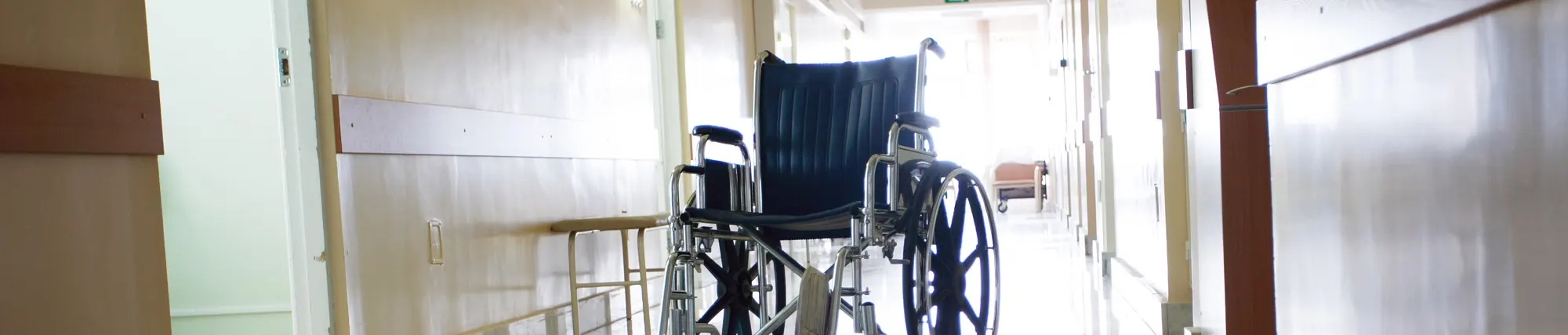
Nursing Home Neglect
Helping Tulsa Nursing Home Residents Hurt by Negligent Care
We rely on nursing homes to take care of our most vulnerable loved ones. We choose homes that we believe are staffed with caring, qualified, experienced professionals who will take the responsibility of caring for our elderly or disabled family members seriously. We hold nursing facilities to a high standard because that is what is required to ensure the safety and security of nursing home residents. When that standard of care is violated, our loved ones are at risk for severe injury or worse.
If your loved one has been the victim of neglect or negligence by a home health aide or while residing in a nursing home, assisted living facility, rehabilitation facility, or other long-term care facility, reach out to the lawyers at Levinson Law, P.C. We will work to ensure that your elderly loved one is given the care and attention they deserve, and that you and your family are appropriately compensated for any harm caused by nursing home neglect.
Forms of Neglect
Nursing homes have a duty to provide all necessary and appropriate care for their patients. This duty is imposed by contracts between the residents and the facility, as well as by Oklahoma state and federal laws. Failing in that duty constitutes negligence, and it can put residents in danger.
Nursing home negligence may include any of the following:
- Medical errors
- Nursing and medication errors
- Failing to protect residents from falls or other injuries
- Negligent security
- Failing to inspect the premises for hazards
- Failing to check up on residents regularly
- Leaving residents with unsanitary conditions
- Failing to provide clean sheets, towels, and laundry
- Failing to provide residents with appropriate hygiene
- Failing to provide adequate nutrition or hydration
When nursing homes are negligent, residents suffer. Nursing home residents cannot afford to miss meals, get the wrong medication, wear dirty clothes, or miss out on necessary medical treatments. Call the nursing home neglect attorneys at Levinson Law, P.C., to help investigate and pursue your claim of nursing home negligence on behalf of your elderly or disabled family member.
Signs of Neglect
Many different signs can indicate your loved one is not being given the appropriate level of care in their nursing home. If you identify one or more of the following indicators of negligence, speak with a Tulsa nursing home neglect attorney to evaluate whether the nursing home is acting negligently and review your best options to protect your family.
Signs of nursing home neglect may include:
- Sudden weight loss or weight gain
- Ashy or dry skin
- Unexplained injuries
- Cracked lips
- Frequent illness, especially if they are not reported to family members
- Over-medication
- Injuries requiring emergency treatment
- Sudden changes in behavior
- Decline in cognitive functioning
- Bloated abdomen
- Unsanitary conditions
- Bedsores
- Poor hygiene
Abuse and Neglect Are Not the Same
People often use the terms interchangeably, but nursing home abuse and neglect are different. Abuse is the willful infliction of physical or mental injury. Neglect is a failure to provide adequate care, such as food, clothing, shelter, medicine and supervision, that results in physical or mental harm. Neglect can be just as harmful as abuse, leaving residents with untreated medical problems or living in unhealthy surroundings. Neglect generally falls into two categories: failing to provide needed help and services, and performing a task improperly or without the needed training or supervision.
Types of Nursing Home Neglect
- Medical neglect: failing to attend to or prevent a resident’s medical problems, often revealed by infections, bedsores and declining mobility.
- Neglect of basic needs: failing to provide food, water and a clean, safe environment, which can lead to dehydration and malnutrition.
- Neglect of personal hygiene: failing to help with bathing, toileting, laundry and dental care.
- Social or emotional neglect: ignoring residents, leaving them alone for long periods or ignoring their requests.
Neglect can also take the form of improper physical or chemical restraints. Its results can include dehydration, malnutrition, choking, infections, medication errors, falls and wrongful death.
Why Neglect Happens
Neglect is usually not a deliberate attempt to hurt anyone. It is most often traced to:
- Understaffing, which leaves too few workers to care for every resident and leads to exhaustion, burnout and mandatory overtime;
- Negligent hiring, when facilities rush to fill positions without proper background checks; and
- Inadequate training, which makes mistakes with medications, transfers and difficult behavior more likely.
Oklahoma nursing homes must meet standards for hiring, training and staffing. When they do not and a resident is harmed, the facility, its administrators and its staff can be held responsible. Learn more about nursing home abuse and neglect.
Reporting Suspected Neglect in a Tulsa Nursing Home
If a resident is in immediate danger, call 911 first. Otherwise, you can report your concerns to several agencies at the same time, and doing so creates an official record of what you saw:
- Oklahoma Human Services Abuse and Neglect Hotline: 1-800-522-3511. It is staffed 24 hours a day, seven days a week. Reports about care by nursing facility staff can be screened for investigation by Adult Protective Services’ Long-Term Care Investigations unit.
- Oklahoma State Department of Health. The Department licenses and inspects nursing facilities and takes complaints about them. Its nursing facility complaint line is 1-800-747-8419.
- Long-Term Care Ombudsman. The ombudsman program advocates for residents of nursing homes and similar facilities and can help raise a problem with the facility. The state intake line is (405) 521-6734.
Under Oklahoma’s Protective Services for Vulnerable Adults Act, anyone who has reasonable cause to believe a vulnerable adult is being abused or neglected is expected to report it, and staff of long-term care facilities are among the mandatory reporters. A report to an agency does not replace speaking with a lawyer, and speaking with a lawyer does not stop you from reporting.
Evidence That Can Show Neglect
Neglect often shows up in the record before it shows up in a single dramatic event. Useful evidence includes:
- Dated notes of what you saw, who was on duty, and what staff told you, written as soon as possible after each visit.
- Photos of bedsores, dirty linens, missing call lights, untouched meal trays or a resident’s room, taken with a date.
- The resident’s medical chart, care plan, medication records, incident reports and weight and hydration logs, which you can ask the facility for.
- Hospital and emergency room records if the resident is sent out for dehydration, infection, a fall or a pressure injury.
- The names of other residents’ relatives or staff members who have seen the same problems.
Warning signs such as sudden weight loss, repeated falls, bedsores that are getting worse, or untreated infections can point to staffing or care problems. See also dehydration in nursing homes, bedsores and falls in nursing homes.
Holding the Nursing Home Responsible Under Oklahoma Law
The Oklahoma Nursing Home Care Act gives residents a way to go to court. A resident may bring a civil action against a facility’s owner and licensee for injuries caused by the intentional or negligent acts or omissions of its employees and agents, and may also seek injunctive relief to stop a violation. The Act also provides that a resident’s waiver of the right to bring such an action is void.
Neglect claims often turn on whether the facility had enough trained staff and followed the resident’s care plan. Records of staffing, training, inspections and prior complaints can matter. You can also review a facility’s inspection history and ratings on the federal Medicare Care Compare tool.
Oklahoma sets deadlines for filing injury and wrongful death claims. The general deadline is two years, and how the clock runs can depend on the facts of the case, including when an injury was discovered. Waiting can also make records harder to get and witnesses harder to find, so it is wise to speak with a lawyer promptly. Learn more about compensation in nursing home abuse cases and Oklahoma nursing home resident rights.
How a Nursing Home Neglect Case Is Investigated
A neglect claim is built from records and from people. We typically begin by collecting the resident’s chart, care plan, medication administration records, nursing notes, incident reports and hospital records, and comparing what the care plan required with what actually happened. We look at who was on duty, how many residents each caregiver was responsible for, and whether similar problems appear in the facility’s inspection history or complaint record.
Nursing homes are often run by a corporate owner, a separate management company and sometimes a staffing agency. Part of the investigation is working out which of them made the decisions about staffing, training and budgets, because more than one party may be responsible. Medical professionals can then help connect the lapse in care to the injury, such as showing that a pressure sore developed because a resident was not repositioned, or that a fall followed a known risk that was not addressed.
What Compensation May Cover in a Neglect Case
The damages available depend on the facts, but a neglect claim can seek compensation for medical treatment caused by the neglect, the added cost of ongoing care, and the pain, suffering and loss of enjoyment of life the resident experienced. When neglect contributes to a resident’s death, certain family members or the estate may be able to bring a wrongful death claim, which can include funeral and burial costs and other losses recognized by Oklahoma law. In some cases involving especially reckless conduct, the law may allow additional damages; whether that applies depends on the evidence. A lawyer can explain what is realistic for your situation after reviewing the records.
Questions Families Ask About Nursing Home Neglect
How can I tell whether it is neglect or part of my loved one’s condition?
Aging and illness cause real decline, but neglect usually shows up as something preventable: a bedsore that was allowed to worsen, weight loss with no dietitian review, repeated falls with no change to the care plan, or an infection that went untreated. Asking the facility for the care plan and chart is a good first step, and a medical review can separate the two.
Should I move my loved one out of the facility first?
Your loved one’s safety comes first. If you believe the care is unsafe, it is reasonable to move them or to ask for a transfer to a hospital for evaluation. Moving a resident does not end a possible claim, and the records stay available. Try to ask the facility for copies of the chart before the move.
Will the nursing home retaliate if we complain?
Oklahoma’s Nursing Home Care Act includes protections against retaliation against residents who exercise their rights or complain. If you notice a change in how a resident is treated after a complaint, write it down and tell us or the agency you reported to.
Do I need a lawyer to report neglect?
No. Anyone can call the hotline or file a complaint with the Department of Health. A lawyer becomes useful when you want to understand your legal options, preserve evidence or pursue compensation.
What if my loved one has dementia and cannot describe what happened?
A resident with dementia still has rights, and a family member or legal representative can act on their behalf. In these cases the records, physical findings and staff accounts carry most of the weight, which is why early evidence-gathering matters.
Trusted Advice and Representation from an Experienced Lawyer
We understand that confronting nursing home neglect is very difficult for families. Not only is neglect often hard to detect, but it can also be particularly troubling to deal with. Our firm will do everything we can to support you through this challenging and painful time. We will set up a meeting at our offices, in your home, or even in a hospital room–whatever is easiest for you. Reach out to Levinson Law, P.C., by phone or through our website today to set up a free initial meeting. Let us work with you to get your elderly or disabled loved one the care and respect that they deserve.