
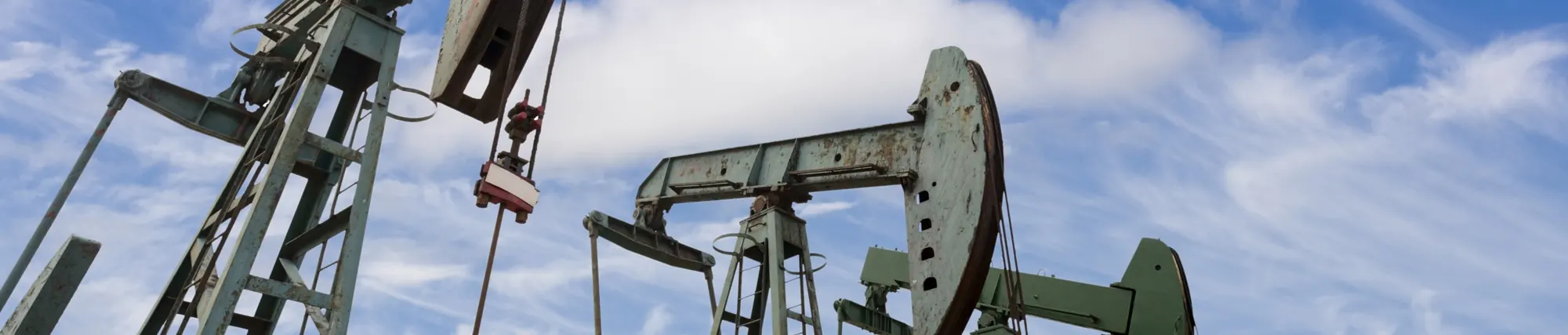

As one of our country’s largest producers of crude oil, Oklahoma employs thousands of oil and gas workers across the state. Unfortunately, oilfields are one of the most dangerous places that a person can work and it is not uncommon for employees to sustain serious injuries while on the job. It is, however, often possible to recover compensation, either from the employer or a third party after these types of accidents, so if you or a loved one were injured in such an accident, it’s important to work with an attorney who can help you navigate the legal process.
Falls
Oilfields are hazardous places to work and there are a lot of ways that employees can sustain serious injuries. According to the Occupational Safety and Health Administration (OHSA), however, there are certain types of accidents that tend to occur more often than others. Falls, for instance, are one of the most common worksite injuries on oilfields, as workers are often required to climb well above ground level when operating and maintaining drilling equipment. It’s important to note, however, that not all falls occur from heights. Many, in fact, are categorized as slip and fall accidents, which often occur on oilfields simply because oil products have a tendency to remain slippery, regardless of the kind of surface on which they are located.
Vehicle Accidents
Trucks carrying equipment and materials are a common sight on oilfields, where vehicles and heavy machinery of all kinds are required to transport the tools and materials needed to extract oil and gas. Unfortunately, with so many moving parts, it is not uncommon for oilfield workers to end up involved in vehicle collisions. In fact, according to the Census of Fatal Occupational Injuries, as many as four out of every ten fatal injuries that occur in the oil and gas industry are sustained in vehicle collisions. Injuries sustained in these accidents are often severe, including everything from broken bones and head trauma to organ damage and lacerations.
Struck By/Caught In/Caught-Between
Besides being struck by vehicles, oilfield workers are also at risk of being injured by oilfield equipment itself. Whether drilling equipment, pipes, transport containers, construction machinery, or other materials, this type of heavy equipment poses a real risk to oilfield workers, who could be struck by or caught-between machinery that sometimes weighs many thousands of pounds.
Explosions and Fires
Oilfield employees are required to work with hazardous chemicals and gases, many of which are flammable. This leaves them vulnerable to serious burns caused by explosions and fires. For example, pressure from burning vapors can cause certain types of gases to erupt and cause devastating fires. Unfortunately, these fires are often difficult to put out due to the high volumes of fuel at oilfield sites, meaning that victims are more likely to suffer devastating burns.
Oilfield Truck and Highway Crashes
Vehicle crashes are not limited to the well site. Oilfield crews spend long hours driving between remote leases, and NIOSH researchers found that vehicle incidents were the most common cause of death among oil and gas extraction workers from 2014 to 2019. The heavy trucks that haul water, sand, pipe, equipment and crude oil also share Oklahoma’s highways and county roads with everyone else.
Several things make these trucks dangerous:
- Long shifts and fatigue. Oilfield drivers often work long, irregular shifts. Federal hours-of-service rules give certain oilfield vehicles special treatment, such as a 24-hour restart instead of the usual 34 hours, and for some specially built well-service vehicles, time spent waiting at a well site may be logged as off duty. Long days still add up to tired drivers.
- Tight sites and big blind spots. Well pads are crowded with equipment and people, and trucks weighing up to 80,000 pounds must back and turn in tight spaces on dirt, mud and gravel.
- Overloading and poor loading. Uneven or overweight loads make a truck harder to stop and more likely to roll over or spill its cargo.
- Wear and tear. Rough lease roads are hard on brakes and tires, and heavy truck traffic breaks up rural pavement, creating potholes and soft shoulders for other drivers.
A crash with an oilfield truck is handled much like any other truck accident claim: the driver, the trucking or service company and others may be responsible. Our Oklahoma truck accident guide explains the evidence that matters.
Crane and Lifting Accidents
Cranes and hoists lift pipe, equipment and materials around the site, and a problem with any part of the lift can be deadly. Common crane accidents include:
- Electrocution when a boom or cable touches an overhead power line;
- Crane collapse from overloading or setting up on soft or uneven ground;
- Workers struck by a moving boom; and
- Loads that slip from the rigging or swing unexpectedly.
Equipment Failure and Drill Pipe Failure
Drilling rigs, pumps, valves, cables, tongs and power tools must be inspected and maintained. When they are not, or when they were badly designed or built, a single failed part can injure everyone nearby. Equipment failures are often traced to:
- Inadequate maintenance and infrequent inspections;
- Corrosion and metal fatigue in pipes, valves and tanks;
- Worn cables and loose tongs;
- Improper use or poor training; and
- Defects in design or manufacturing.
Drill pipe failures are a particular danger. A drill string can twist off when it is over-torqued, part under too much pulling force when the pipe is stuck, burst or collapse under excessive pressure, or crack from fatigue and corrosion over time. Problems in the hole itself can also cause accidents. An unstable borehole can collapse, and when the bit hits a natural fracture or cavern, drilling mud can flow away into the formation (lost circulation), reducing the pressure that holds gas and oil in place. That can lead to a well blowout.
Toxic Exposure
Oilfield workers can be exposed to dangerous chemicals every day. Some of the most common are:
- Hydrogen sulfide (H2S). This gas occurs naturally in many wells. At low levels it irritates the eyes, nose, throat and lungs; at high levels it can cause collapse and death within minutes.
- Benzene and other hydrocarbons. NIOSH has found that workers who open hatches to gauge flowback and production tanks can be exposed to high levels of benzene and other vapors. Benzene is a known cause of leukemia, and high vapor levels can also create a risk of fire and explosion.
- Silica. Hydraulic fracturing uses large amounts of sand, and breathing the dust can cause silicosis and other lung disease.
- Other chemicals, including lead, sulfur dioxide, toluene and nitrogen oxides.
Short-term exposure can cause breathing problems, headaches, dizziness, nausea, skin irritation and chemical burns. Long-term exposure has been linked to lung disease, some cancers, nerve damage, liver damage and vision problems, and these illnesses may not appear until years later.
Weather Hazards
Oklahoma’s long, hot summers put oilfield crews at risk of heat cramps, heat exhaustion and heatstroke, especially during heavy physical work in protective gear. Winter brings ice on platforms, stairs and equipment, which makes falls more likely, and icy roads add to the danger of driving between sites.
Well Servicing Accidents
Work does not stop when drilling ends. Well servicing crews inspect, repair and maintain producing wells, often using wireline, coiled tubing and workover rigs. They face many of the same hazards as drilling crews: falls, swinging cables, equipment failures, flammable gases and long shifts in extreme weather.
Common Oilfield Injuries
Oilfield accidents often cause serious injuries, including:
- Burns from fires, explosions and chemicals;
- Crush injuries and amputations;
- Broken bones, especially in the hands, arms, legs and back;
- Traumatic brain injuries;
- Spinal cord injuries;
- Lung damage and illnesses from toxic exposure;
- Hearing and vision loss; and
- Psychological trauma.
For an overview of the jobs with the highest risk, see our article on the most dangerous oilfield jobs.
Workers’ Compensation and Third-Party Claims
Most Oklahoma oilfield workers who are hurt on the job are covered by workers’ compensation. Under the Administrative Workers’ Compensation Act, workers’ compensation pays for medical care and, while you cannot work, temporary total disability benefits of 70 percent of your average weekly wage, up to a state maximum. Benefits are also available for permanent disability and, when a worker is killed, for the worker’s family. You do not have to prove that anyone was at fault.
In return, workers’ compensation is usually the only claim an injured worker can bring against his or her own employer. A lawsuit against the employer is allowed only in narrow situations, such as when the employer failed to carry workers’ compensation insurance, or when the employer acted with a specific intent to injure the worker.
That is not the end of the story. Oilfield sites involve many companies, and an injured worker can often bring a separate personal injury claim against a negligent third party, such as:
- Another company working on the same site whose crew caused the accident;
- A manufacturer of defective equipment or protective gear;
- A company hired to inspect, maintain or repair equipment;
- A trucking or transportation company whose driver or load caused a crash; or
- The driver of another vehicle in a highway crash.
A third-party claim can recover losses that workers’ compensation does not pay, including full lost wages, pain and suffering and loss of enjoyment of life. Independent contractors who are not covered by an operator’s workers’ compensation may also have personal injury claims. When a worker is killed, the family may be able to bring a wrongful death claim against a responsible third party.
What to Do After an Oilfield Accident
If you are hurt at work on an oilfield:
- Get medical care right away and tell the doctor how the injury happened;
- Report the injury to your employer in writing as soon as possible;
- Write down the names of co-workers and other contractors who saw the accident;
- Take photographs of the scene and equipment if you can do so safely, and keep any damaged gear;
- Do not sign statements or releases for an insurance company before getting advice; and
- Watch the deadlines. In Oklahoma, a workers’ compensation claim for an injury generally must be filed within one year of the injury (a different deadline can apply if benefits have already been paid), and most personal injury lawsuits must be filed within two years.
Learn more about how we help injured workers on our oil-field accident page.
Call Our Tulsa Oilfield Accident Lawyers Today
The kinds of injuries sustained by oilfield workers are often severe, leaving accident victims struggling to pay their medical bills and sometimes suffering from permanent disability. Fortunately, injured parties are often entitled to compensation for these losses, so if you or a loved one were injured in an oilfield accident, please call the experienced Tulsa personal injury attorneys at Levinson Law, P.C. for an assessment of your own legal options.
Sources:
bls.gov/iif/home.htm
osha.gov/oil-and-gas-extraction