

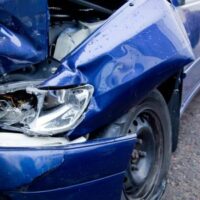
Car accidents can have far-reaching consequences for the parties involved. Serious injuries, for instance, can be not only painful and expensive to treat, but can affect the injured party’s personal relationships and ability to work. Fortunately, Oklahoma law allows accident victims to recover a number of different types of monetary damages, which are designed to help compensate for these accident-related losses. While it is true that money can’t always compensate someone for the pain and suffering he or she endured because of an accident, it can go a long way towards helping injured parties get back on their feet.
The damages that an injured party receives will, however, directly correspond to the losses experienced after a particular accident. Everyone’s losses are not the same, which is why it’s so important for Oklahoma accident victims to work with an experienced Tulsa auto accident lawyer, who can evaluate the specific details of their case and attempt to recoup their losses accordingly.
Economic Damages
Economic damages are directly tied to a person’s monetary losses, making them relatively easy to calculate. They often include reimbursement for:
- Medical expenses incurred because of the accident-related injury;
- Property damage, including the cost of vehicle repair or replacement;
- Lost wages, including future lost income; and
- The cost of household services, including child care expenses if applicable.
Recovering economic damages will require specific proof of the victim’s losses. Evidence of lost wages, for instance, can be established using pay stubs and tax returns, while medical bills and invoices can be used to demonstrate the cost of treating the injury in question.
Non-Economic Damages
Although they also fall under the broad category of compensatory damages, non-economic damages are a bit different than their economic counterpart, as they are generally harder to quantify. Examples include the pain and suffering endured by the victim because of his or her injuries, as well as the emotional distress not only of the accident victim, but also of his or her family members. Some injured parties may even qualify for loss of consortium if their personal relationships are damaged because of the accident. Non-economic damages are usually more difficult to calculate and will depend on a few different factors, including the severity of the injury and the degree of negligence exhibited by the parties involved.
Punitive Damages
The last type of damages that an accident victim could be entitled to is known as punitive damages. These damages, unlike compensatory damages, are specifically awarded to punish a defendant for gross negligence or intentional misconduct. Although they are rare, they are awarded in cases where a jury or judge deems a person’s conduct to be particularly egregious.
Out-of-Pocket Costs
Beyond medical bills, lost wages and vehicle repairs, a crash often leaves smaller costs that add up quickly. These can include travel to medical appointments (mileage, parking or rideshare), towing and storage fees, rental car costs, insurance deductibles, child care, housekeeping and personal care help. Keep receipts, invoices and bank or card statements for these expenses so they can be included in your claim.
Property Damage and Diminished Value
The at-fault driver’s insurer should pay to repair your vehicle or, if it is totaled, pay its value at the time of the crash. You may also be able to recover rental car costs while your car is being repaired. Even after repairs, a vehicle that has been in a crash may be worth less than before, and in some cases you can claim that lost value. Photograph the damage from several angles and keep repair estimates and invoices.
Rear-End Collision Injuries
Rear-end crashes are among the most common collisions, and they often cause injuries even at low speed because the people in the front vehicle have no time to brace. Common injuries include whiplash and other neck injuries, herniated or bulging discs in the spine, and concussions or other brain injuries from the head striking the vehicle or moving violently. Some of these injuries take days to show symptoms and can cause long-term pain.
Injuries During Pregnancy
A pregnant woman involved in a crash can suffer the same injuries as anyone else, and she and her baby face added risks, including placental abruption (separation of the placenta from the uterus), injury to the uterus, injury to the baby and premature delivery. Any pregnant person involved in a crash should get medical care right away, even if the crash seemed minor.
How Settlements and Verdicts Are Calculated
The value of a claim depends on the type and severity of the injuries, the cost of treatment now and in the future, the effect on the person’s work and daily life, the damage to the vehicle, who was at fault and the at-fault driver’s insurance limits. If a case goes to trial, the jury considers factors such as the person’s pain and suffering, age, health before and after the crash, whether the injuries are permanent, any disfigurement, lost earnings and the cost of medical care. Under Oklahoma’s comparative negligence rule, an injured person’s award is reduced by their share of fault, and they cannot recover if their fault is greater than that of the others responsible.
Insurance companies sometimes make a quick, low offer before the full extent of the injuries is known. Once you accept a settlement, you generally cannot reopen the claim. See our guide to what to do after a car accident in Oklahoma.
Schedule a Free Consultation with a Tulsa Car Accident Lawyer
An experienced car accident lawyer can help give you a better idea of the types of damages to which you could be entitled after your own crash. Contact our team at Levinson Law, P.C. by calling 918-492-4433 to set up an appointment today.